What Makes Barley Grass Different From Wheat Grass
Barley grass and wheat grass powders look almost the same in the bag. Both are bright green. Both come from young cereal plants. Both are popular in greens blends, capsules and functional drinks.
But they are not the same ingredient. If you are choosing between them for a formulation, the differences matter.
At Folium Organics, we grow and process both crops on our certified organic farms in Canterbury, New Zealand. Here is what we have learned about each one.
Two different plants
Barley grass comes from Hordeum vulgare. Wheat grass comes from Triticum aestivum. They are related cereal crops, but they are separate species with their own growth habits and leaf character.
For both powders, we harvest the young leaf, not the grain. The plant is cut while it is still in its leafy growth stage. Our leaf crops run on a cycle of around six to eight weeks, which lets us harvest at the stage we want and plan production across the season.
Flavour and colour
This is often the deciding factor for formulators.
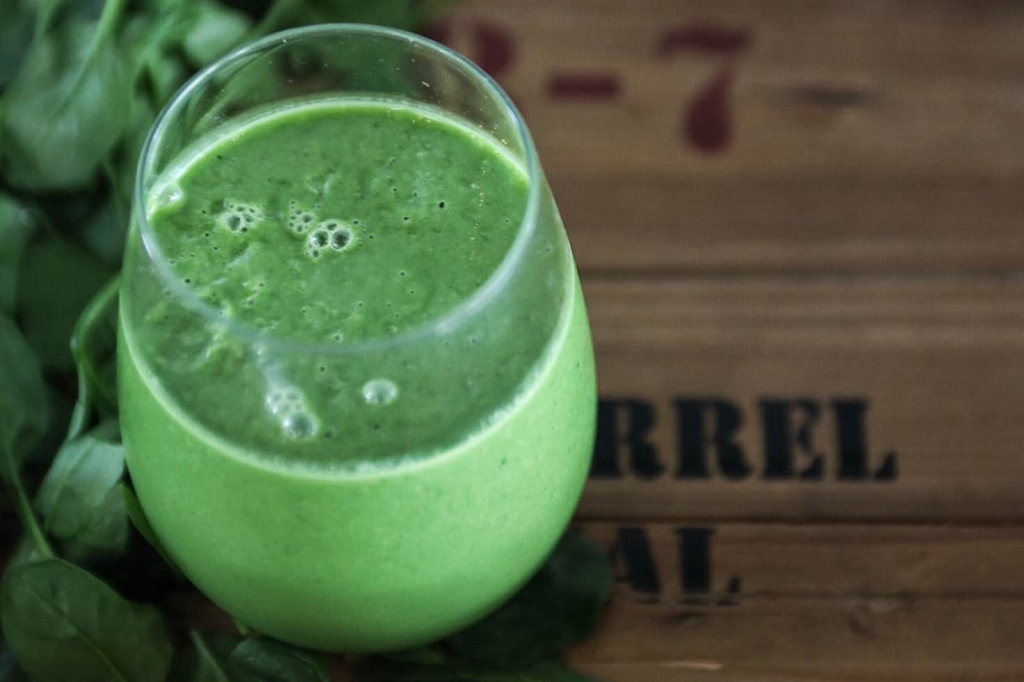
Barley grass has a fresh green colour and a mild grass flavour. Many customers find it softer and easier to blend. It works well in drinks where the green flavour should stay in the background.
Wheat grass has a characteristic green colour and a cleaner, more distinct grass profile. Some brands prefer this. It signals "green" clearly to the consumer.
Both blend well with fruit flavours. Tropical profiles such as pineapple and mango work especially well.
Nutritional profile
Both powders are whole-leaf ingredients. They are not extracts. This means they keep the natural fibre, chlorophyll, vitamins, minerals and plant compounds found in the young leaf.
Barley grass is the more studied of the two. Published research has looked at its functional ingredients and their role in human health, including effects on gut health. We list key studies on our Certifications and Resources page.
Exact nutritional values change with the crop and the season. For this reason, we provide technical specifications for each product and a certificate of analysis with every batch. We recommend you base label claims on this data, not on general figures.
Texture and processing
We mill both powders to a fine average particle size of around 70 to 75 microns. A fine, even powder disperses more easily in water. It also gives a smoother texture in drinks and flows well in capsule and tablet machines.
Both crops go through the same process. Fresh leaf moves from the field to our on-farm dryer quickly. It is dried with gentle hot air, then milled, screened and packed. This protects colour, flavour and nutritional quality.
Which one should you choose?
Choose barley grass if you want a milder flavour, or if you plan to make claims supported by published barley grass research.
Choose wheat grass if your brand is built around wheat grass, or if you want a more distinct green taste.
Many brands use both. For example, Nutrient Rescue uses our wheatgrass and barley leaf as the foundation of its Green Shot, Red Shot and Double Shot products.
Request samples of both
The best way to decide is to test both in your own formulation. We can send samples of barley grass and wheat grass powder, with technical specifications and certificates of analysis. Contact our team to discuss your requirements.


Leave a Reply
Want to join the discussion?Feel free to contribute!